
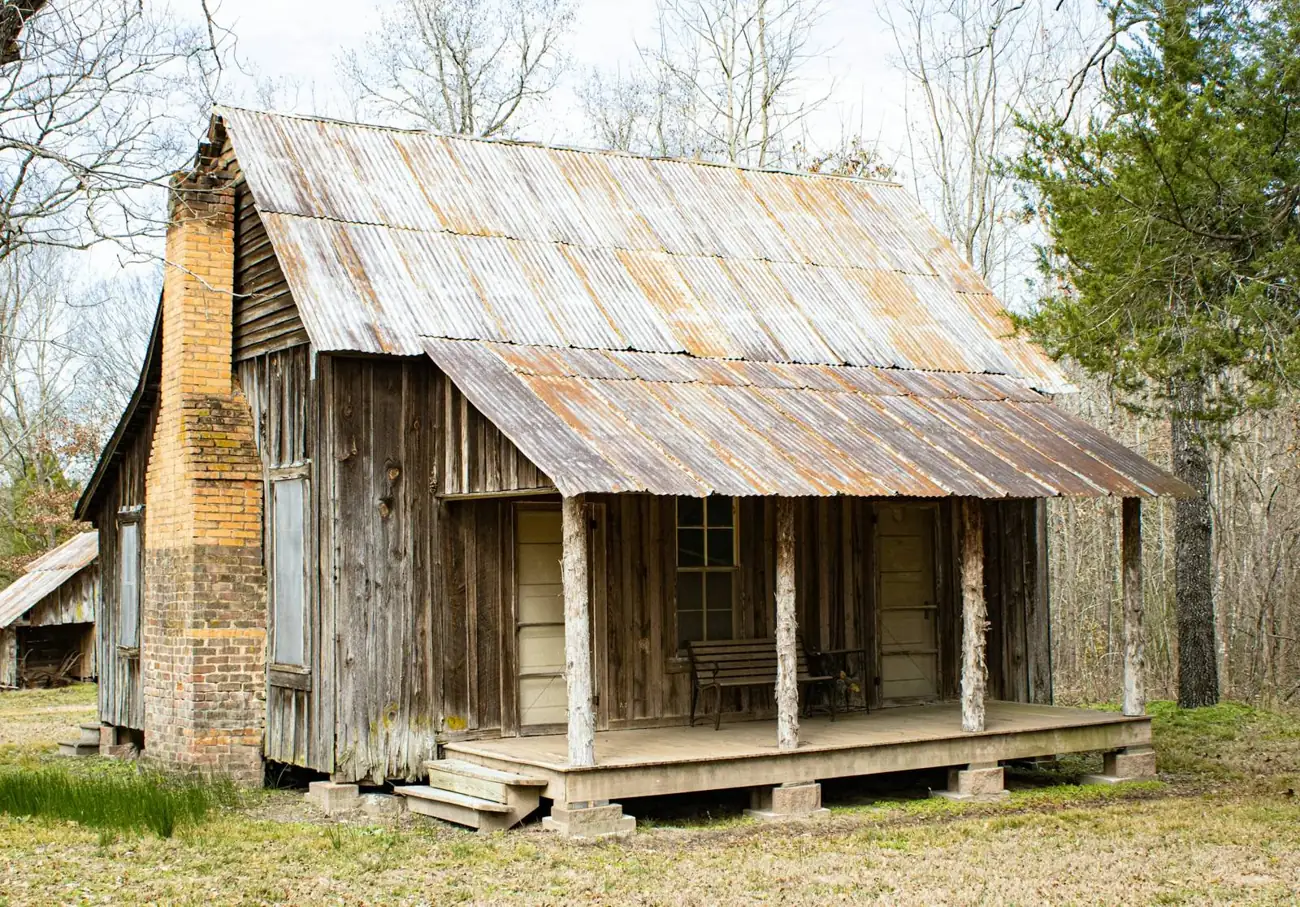
Yes, you can sell land with delinquent taxes
Unpaid property taxes don't block a sale. They just have to be settled as part of it. In a normal Texas land sale, the title company finds out exactly what's owed, and pays the taxing units out of the sale money at closing. You receive what's left.
The standard Texas contract for vacant land (the TREC Unimproved Property Contract) expects the seller to show the taxes are paid and allows liens to be paid off from the sale proceeds. So a buyer and title company will expect the back taxes to be cleared at closing, and they'll come out of your side of the money.
How Texas penalties and interest add up
Texas property taxes become delinquent if they're not paid before February 1 of the year after they're billed. From then on, two charges grow at the same time:
- Penalty: 6% for the first month, plus 1% for each extra month, up to a flat 12% on July 1.
- Interest: 1% a month, with no cap. It keeps running until the bill is paid.
Here's what that means for a $1,000 tax bill:
| Month delinquent | Penalty | Interest | Total owed |
|---|---|---|---|
| February | 6% | 1% | $1,070 |
| March | 7% | 2% | $1,090 |
| April | 8% | 3% | $1,110 |
| May | 9% | 4% | $1,130 |
| June | 10% | 5% | $1,150 |
| July | 12% | 6% | $1,180 |
| July, with collection fee | Up to 20% added on top | Up to $1,416 | |
The July jump. Many taxing units hire collection attorneys, and from July 1 they can add a collection fee of up to 20% of the tax, penalty and interest. It's optional for each taxing unit, and the collector must send you a notice first, so check your statement. After July, interest keeps adding 1% a month, and the next year's bill arrives on top.
Why the tax lien follows the land
Every January 1, a tax lien attaches to the land for that year's taxes, penalties and interest. Three things about it matter when you sell:
- It stays with the land when ownership changes, so a buyer won't close until it's paid.
- It ranks ahead of a mortgage or other liens, even older ones.
- Whoever owned the land on January 1 stays personally responsible for that year's taxes, even after selling.
When the county can sue, and what happens next
A taxing unit can file a lawsuit to collect as soon as the taxes are delinquent. Many counties wait longer, but the law doesn't require them to. If the taxing unit wins, the court orders the land sold.
Tax sales are held by the sheriff or a constable, usually at the courthouse on the first Tuesday of the month, and some counties run them online. You can stop a sale by paying the full judgment amount before it happens. If nobody bids enough, the land goes to the taxing unit.
A tax suit adds court costs and legal fees to what you owe. The longer it runs, the less of the land's value is left for you.

Your options if you're behind
| Option | Works well when | Watch out for |
|---|---|---|
| Pay in full | You want to keep the land and have the cash | Pay before July 1 if you can, to avoid the collection fee |
| Installment plan | You want to keep the land but need time | Optional for land that isn't your home. Up to 36 months, and penalties and interest usually keep growing |
| Sell the land | You don't need the land and want the equity | The back taxes come out of your sale money at closing |
| Do nothing | Almost never a good plan | A tax suit, a forced sale, and a smaller share of the land's value for you |
If you don't plan to use the land, selling before a tax suit usually leaves you with the most money. You choose the buyer and the price, and the taxes are cleared in the same transaction.
What happens at closing
- The title company orders a tax certificate from the tax collector. It shows every delinquent amount on the land.
- The closing statement lists the payoff: back taxes, penalties, interest and any collection fee, plus your share of the current year's taxes.
- The title company pays the taxing units directly from the sale money.
- You receive the rest, after any other liens and your closing costs.
An illustration: You agree to sell a lot for $40,000. It carries $3,200 in back taxes, penalties and interest, and your other closing costs are $1,500. At closing, the title company pays the $3,200 to the taxing units and the $1,500 in costs, and you receive about $35,300, less your share of this year's taxes.
For the full picture of what a sale costs, see our guide to the costs of selling land in Texas.
If the land has already been sold at a tax sale
You may still be able to get it back. Texas gives former owners a right of redemption, counted from when the buyer's deed is recorded:
- 2 years if the land was your residence homestead, was designated for agricultural use when the suit was filed, or is a mineral interest. You repay the buyer's bid and costs plus a 25% premium in the first year, or 50% in the second.
- 180 days for other land, with a premium of up to 25%.
You can't use the land during the redemption period, and the right to redeem can't be sold or signed over to someone else. If the tax sale brought in more than was owed, you can also claim the extra money within 2 years of the sale.
Back taxes on inherited land
Back taxes build up easily on inherited land. Bills keep going to someone who has died, or to one heir who assumes another is paying. If that's your situation, sort out who owns the land and what's owed at the same time. Our guide to selling inherited land in Texas walks through the title side.
If you'd like help, tell us about your land. We'll look up what's owed, talk through your options within 24 hours, and if we agree on a price, the taxes are paid at closing.
Common questions
How many years can you go without paying property taxes in Texas?
There's no grace period written into the law. A taxing unit can sue as soon as the taxes are delinquent, although how quickly they act varies by county. Texas law does bar suits on real property taxes that have been delinquent for more than 20 years, but waiting is costly long before that because penalties and interest keep growing.
Can someone take my land by paying the back taxes?
Paying the taxes on someone else's land doesn't make the payer the owner. Ownership changes through a deed signed by the owner, a court judgment, or a tax sale. If someone offers to pay your taxes in exchange for signing something, read it carefully and get advice first.
Can I get a payment plan on land that isn't my home?
Possibly. Texas tax collectors have to offer installment plans on a residence homestead, but for other land it's up to the collector. Plans run up to 36 months, and penalties and interest usually keep adding up while you pay.
Will I get any money if the county sells my land at a tax sale?
If the land sells for more than the taxes, penalties and costs owed, the former owner can claim the extra money. The claim has to be made within 2 years of the sale. Selling the land yourself before it reaches a tax sale usually leaves you with more.
Who pays the current year's taxes when land sells?
They're split at closing. Texas property taxes are usually paid at the end of the year they cover, so the seller normally credits the buyer at closing for the months the seller owned the land.
This guide is general information for Texas landowners, not legal, tax or financial advice. Laws and local rules change, so check your situation with a Texas real estate attorney or tax professional before you act.
Sources
- Texas Tax Code, Chapter 33: delinquency penalties, interest, installment plans and tax suits
- Texas Tax Code, Chapter 32: tax liens
- Texas Tax Code, Chapter 34: tax sales and redemption (Section 34.21)
- Texas Tax Code, Chapter 31: delinquency date and tax certificates
- Texas Tax Code, Section 6.30: collection attorney fees
- Texas Comptroller: paying property taxes and penalties
- TREC Unimproved Property Contract